









The Complete Guide to Australian Military Award Medals
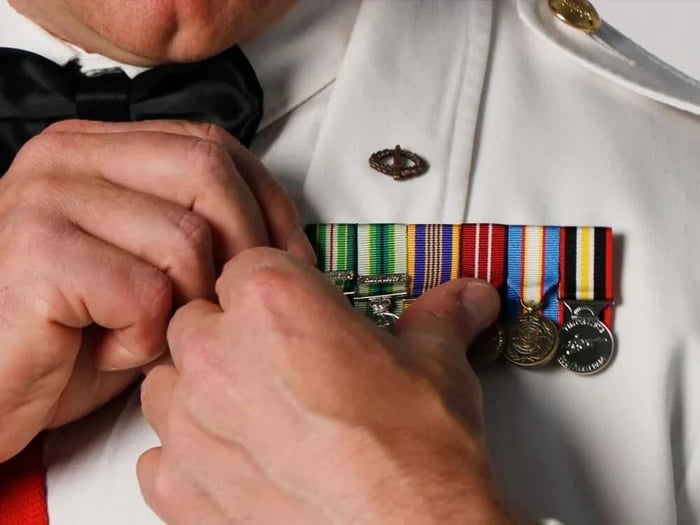
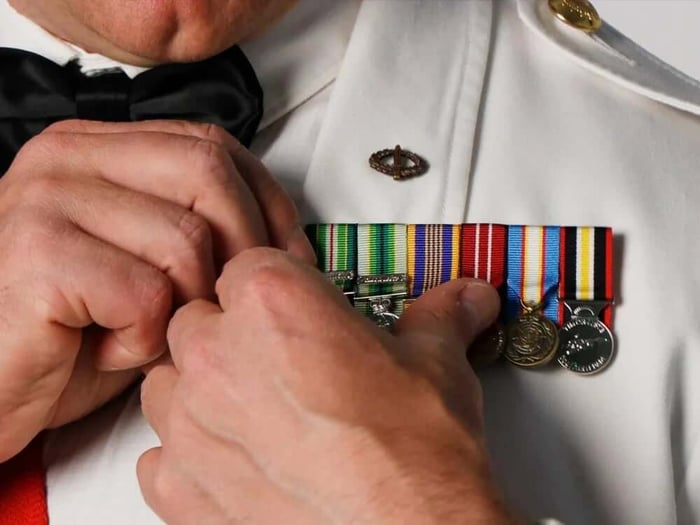
Australian military award medals represent far more than ceremonial decorations. They are enduring symbols of service, sacrifice, and operational commitment across generations of the Australian Defence Force (ADF). Each medal tells part of Australia’s military story, whether it recognises active deployment in conflict zones, long-term service, or exceptional conduct under pressure.
For serving members, veterans, historians, and collectors, understanding these medals provides insight into how Australia formally recognises military service. From campaign awards to distinguished service honours, the system is structured, hierarchical, and deeply rooted in tradition.
At the centre of this system is the order of precedence of medals, which determines how each decoration is worn and understood within the broader honours framework.
The Structure of Australian Military Award Medals
Australia’s honours system is designed to recognise different levels and types of service in a clear hierarchy. Military award medals fall into several key categories:
- Gallantry and distinguished service awards
- Campaign and operational service medals
- Long service and good conduct medals
- Commemorative and foreign awards (subject to approval)
Each category reflects a different aspect of military contribution. Gallantry awards recognise bravery in action, while campaign medals acknowledge participation in specific operations. Long service medals recognise sustained commitment over time.
This structured approach ensures consistency across the ADF and preserves the integrity of Australia’s honours system.
Order of Precedence: How the System Works
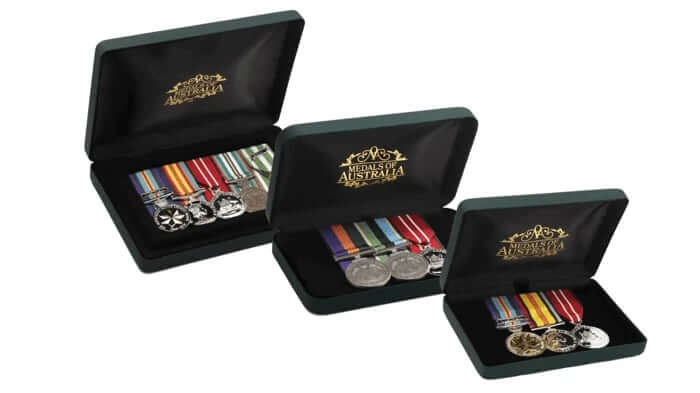
The order of precedence of medals determines the official ranking of military decorations when worn on uniform. It is a strict hierarchy, not based on personal preference, but on the type and significance of each award.
In general terms, the order follows this structure:
- Gallantry and distinguished service decorations
- Campaign and operational service medals
- Long service and good conduct medals
- Foreign and commemorative medals (approved for wear)
Within each category, additional rules apply. Campaign medals may be arranged chronologically or by operational importance, depending on the awarding criteria.
This system ensures uniformity across all branches of the ADF and reinforces the relative significance of each award within Australia’s military honours framework.
Campaign Medals and Operational Service
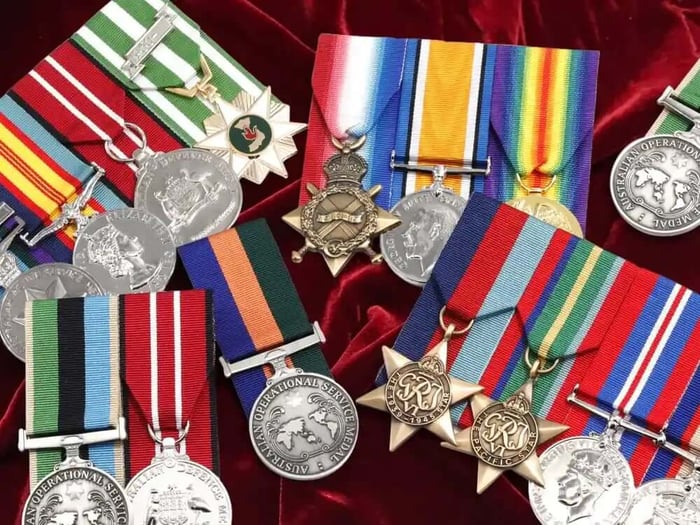
The term “war medals Australia” is commonly used in online searches, but it is not an official classification within the Australian honours system. In formal terms, these awards are known as campaign medals and operational service medals, issued to recognise participation in designated military operations.
These medals are awarded to members of the Australian Defence Force (ADF) who have served in approved operational areas, including both combat and peacekeeping environments. They represent Australia’s involvement in international conflicts, coalition missions, and stabilisation efforts.
Campaign and operational service medals are typically awarded for:
- Deployment to declared operational zones overseas
- Participation in multinational military operations
- Peacekeeping missions under United Nations or allied mandates
- Humanitarian or stabilisation operations in conflict-affected regions
Unlike long service medals, which recognise duration of service, campaign medals are tied specifically to operational exposure and active deployment conditions.
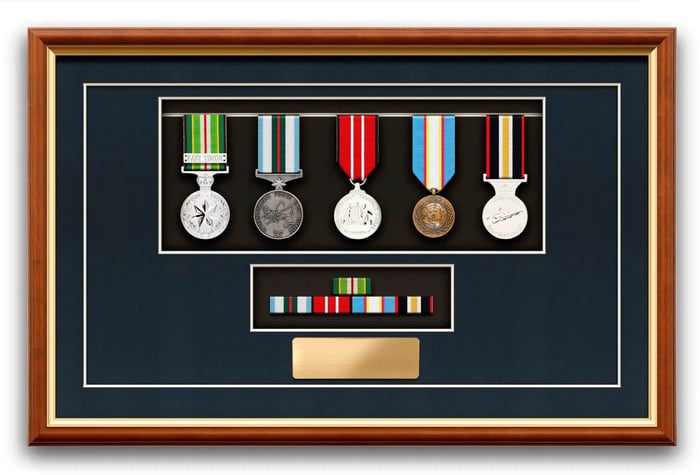
Examples of these awards include medals issued for service in Afghanistan, Iraq, East Timor, and other recognised operational theatres. Each medal may include clasps or bars that identify the specific operation in which the service was rendered.
These awards form a core part of modern military recognition framework and sit within the broader order of precedence of Australian medals, where campaign medals are positioned after gallantry and distinguished service awards but before long service decorations.
For veterans, historians, and collectors, campaign medals provide a tangible record of Australia’s military engagements and its contributions to global security operations.
The AASM Medal and Its Role in Modern Service Recognition
The Australian Active Service Medal (AASM) remains one of the most significant operational awards within Australia’s military honours system. It recognises members of the Australian Defence Force (ADF) who have served in officially declared warlike operations and reflects Australia’s long-standing approach to acknowledging operational service in conflict environments.
The AASM was designed to provide a more unified framework for recognising active service across multiple deployments and operational theatres. Rather than creating entirely separate medals for each conflict, the system allowed different operations to be recognised through clasps attached to the medal, identifying the specific campaign or theatre of service.
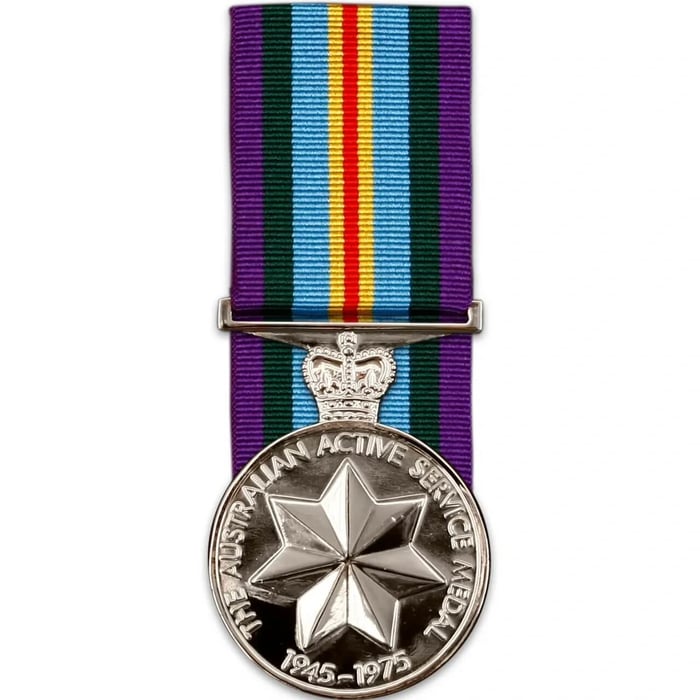
Key features of the AASM medal include:
- Recognition of service in warlike operational environments
- Claspsidentifyingspecific operations or deployments
- Formal acknowledgement of exposure to active service conditions
- Astandardisedapproach to operational service recognition
Operations recognised under the AASM include deployments such as Operation SLIPPER, Australia’s contribution to military operations in Afghanistan.
It is important to note though that the Australian Operational Service Medal (AOSM) established on 22 May 2012 through Letters Patent and the Australian Operational Service Medal Regulations 2012 replaced the AASM and the Australian Service Medal (ASM) for many newer operations. However, operations already recognised under the earlier medal system continue to retain their original awards. This means personnel who served on qualifying operations before the transition remain recognised under the AASM or ASM framework.
Today, the AASM continues to hold strong historical and ceremonial significance within Australia’s broader system of military award medals, representing both operational commitment and Australia’s evolving approach to recognising active service.
How Military Award Medals Are Approved and Issued
The awarding process for Australian military medals is governed by strict guidelines under the Department of Defence and the Australian honours framework.
Recommendations typically follow a structured pathway:
- Unit-level nomination and verification
- Chain of command review
- Assessment against eligibility criteria
- Final approval by relevant authorities
Different medals have different thresholds. Some are awarded based on time served, while others require participation in specific operations or demonstrated acts of service.
This ensures that all military award medals are issued consistently and maintain their integrity as official recognitions of service.
The Importance of Military Award Medals in Australia’s Defence Identity
Beyond their formal structure, military medals serve as historical records of Australia’s defence involvement across global operations. They reflect both individual service and national participation in international security efforts.
For veterans, these medals often represent defining moments of their careers. For historians, they provide a chronological record of Australia’s operational commitments. For collectors, they offer tangible links to specific conflicts and campaigns.
Together, they preserve Australia’s military heritage in a way that is both personal and national.
Australia’s Military Honours System, A Legacy of Service and Sacrifice
The system of military award medals in Australia is built on clarity, hierarchy, and recognition of service across multiple dimensions. From the structured order of precedence to operational recognition through campaign awards, and modern distinctions like the AASM medal, each element contributes to a broader narrative of service and sacrifice.
Understanding these medals that reflect a system designed to honour military service with accuracy, respect, and consistency, provides not only insight into military structure but also a deeper appreciation of the individuals who have served under Australia’s flag.
For anyone studying Australian military history, these medals are not just decorations. They are a structured record of where Australia has served, how it has served, and in doing so, honours the people who made that service possible.