









A Deep Dive into the Timor Leste Solidarity Medal
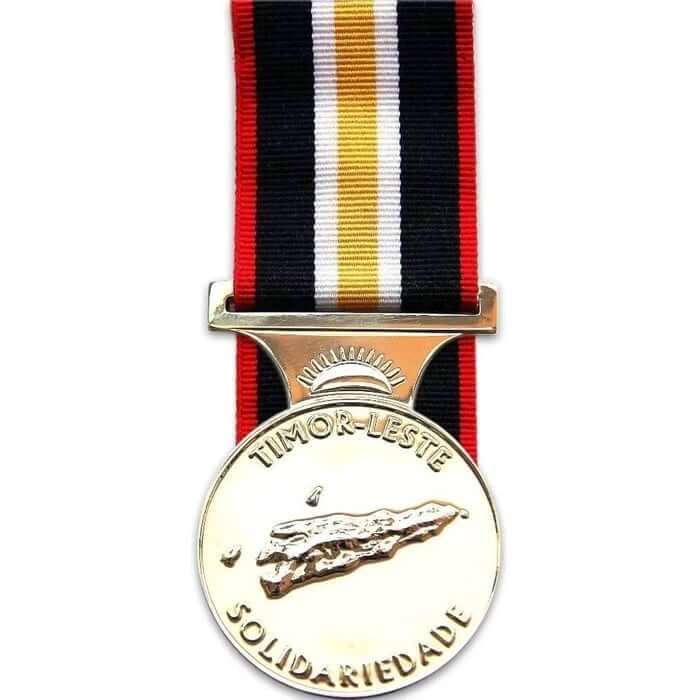
The Timor-Leste Solidarity Medal occupies a distinctive place in modern military heritage. Associated with service and cooperation connected to Timor-Leste, the medal reflects an important period of regional support, stabilisation and international partnership in the Indo-Pacific.
For veterans, historians and collectors, the medal represents more than a commemorative object. It provides a tangible connection to a complex chapter of regional history and forms part of the wider tradition of military medals that preserve operational memory and recognise service.
As awareness of contemporary military history continues through commemorative programs, museum exhibitions and collecting communities, medals linked to modern peacekeeping and regional support missions have gained increasing historical relevance.
Timor-Leste and Regional Stability
The history of Timor-Leste is closely tied to broader discussions of regional security and international cooperation in Southeast Asia.
Following periods of political unrest and instability, Timor-Leste received support from neighbouring countries and international partners during key stages of its national development. Australia played a significant role in these efforts through defence, policing and humanitarian contributions aimed at supporting security and reconstruction.
Operations connected to Timor-Leste highlighted the importance of regional cooperation during times of crisis. They also demonstrated how military service in the modern era often extends beyond conventional combat roles to include peace support, civilian protection and humanitarian assistance.
The Timor-Leste Solidarity Medal recognises the contributions of military and police personnel who supported peace, security and stability operations in Timor-Leste.
The Evolving Nature of Military Service
Modern operational environments differ considerably from those associated with earlier twentieth-century conflicts. Contemporary deployments frequently involve cooperation between military personnel, police, government agencies and international partners.
Personnel involved in missions connected to Timor-Leste often operated in challenging conditions that required adaptability, professionalism and cultural awareness. Responsibilities extended across a wide range of activities, including security support, infrastructure assistance and humanitarian coordination.
This evolution in operational service has also influenced the significance of modern military medals. Recognition is no longer tied solely to battlefield engagements but increasingly reflects broader contributions to regional security, peacekeeping and international support efforts.
The Timor-Leste Solidarity Medal stands within this modern framework of recognising operational service and international cooperation.
The Symbolism Behind the Timor Leste Solidarity Medal
Commemorative medals often carry meaning far beyond their physical appearance. Their symbolism lies in what they represent historically, nationally and personally.
The Timor-Leste Solidarity Medal reflects several enduring themes associated with military and humanitarian service, including:
- Cooperation between nations
- Support for peace and stability
- Commitment to regional partnerships
- Recognition of operational contribution
- Preservation of historical memory
For individuals connected to Timor-Leste operations, the medal may represent shared experiences, professional service and the challenges associated with deployment. For collectors and historians, it provides insight into a significant period of Australia’s regional engagement.
Who Is Eligible for the Timor-Leste Solidarity Medal?
While the Timor-Leste Solidarity Medal (TLSM) was originally established with a specific cohort of peacekeepers in mind, the Australian Government subsequently accepted a generous offer from the President of the Democratic Republic of Timor-Leste, His Excellency José Ramos-Horta, to significantly expand the award's eligibility criteria.
As a foreign award, the medal recognises the men and women who supported vital stability and peace operations in the nation. By expanding the criteria, the Timor-Leste Government ensured that a much broader group of personnel who stepped up during the country's formative years of national development are formally recognised.
The Extended Criteria
Under the updated guidelines, eligibility is open to individuals who served at least 30 days on mandated missions in Timor-Leste since June 1999. The extension captures several key categories of personnel:
Defence Force Personnel: Both current serving Australian Defence Force (ADF) personnel and veterans.
Federal Police: Australian Federal Police (AFP) officers deployed to the region.
Specialised Programs: Uniformed members of the Defence Cooperation Program (DCP) and the Timor-Leste Police Development Program (TLPDP).
Medical and Injury Concessions: Personnel who were forced to withdraw from their deployment prior to the 30-day mark due to injury or medical necessity.
Significance of the Decision
More than 20,000 Australians served in Timor-Leste across various roles, and this extension ensures that a vast number of these veterans receive the recognition they deserve. Beyond individual validation, the decision by President Ramos-Horta carries deep diplomatic weight. It serves as a powerful, tangible reminder of the enduring friendship and close bond between Australia and Timor-Leste, forged during a highly volatile period in regional history.
Accessing the Medal
According to official Australian Defence sources, the process for obtaining and wearing the foreign award depends on an individual's current service status:
Current Serving ADF Personnel: To streamline the rollout, Defence is updating internal personnel records automatically for eligible serving members.
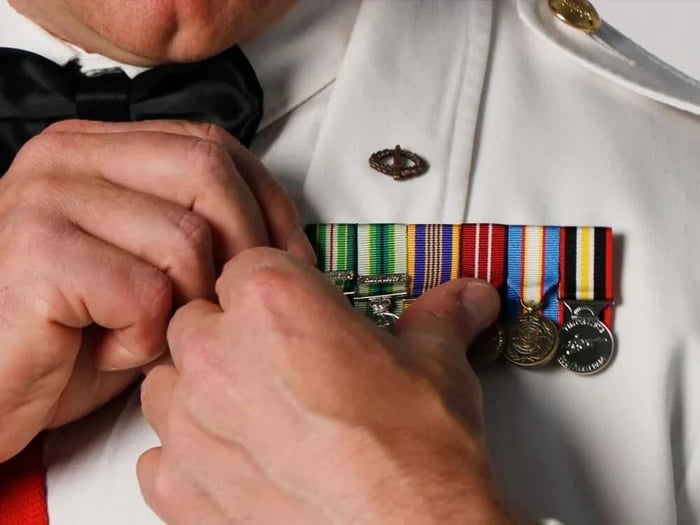
ADF Veterans: Veterans who meet the 30-day criteria can choose to officially purchase and wear the medal.
Eligible AFP Members: Current and former police personnel can apply directly through the AFP Honours and Awards team.
For detailed criteria and administrative updates, personnel and families can visit the official Australian Defence Honours and Awards website.
Military Medals and Historical Preservation
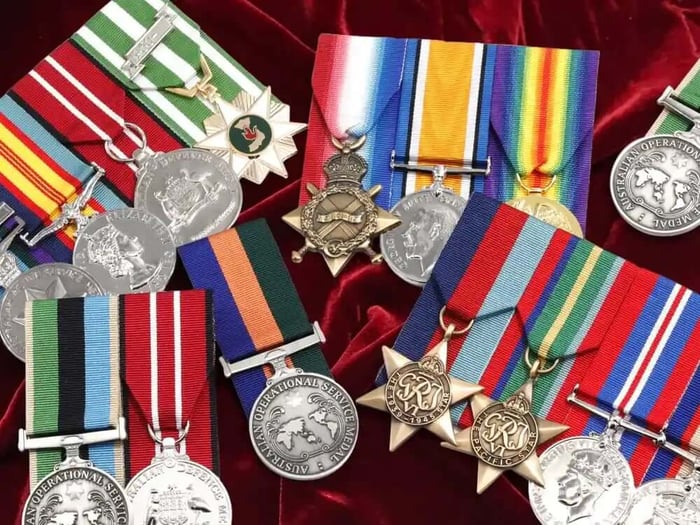
Throughout history, military medals have played an important role in preserving national memory. Medals help record participation in campaigns, operations and historical events while also recognising the individuals connected to them.
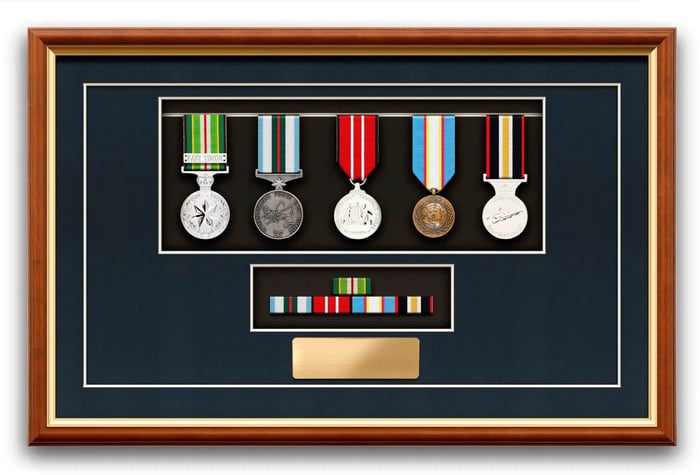
Unlike written records alone, medals provide a physical and visual connection to service history. They are often preserved within families, museums and private collections, becoming part of broader efforts to maintain historical awareness.
Operational medals associated with modern regional missions are particularly important because they document contemporary forms of military service that may otherwise receive less public attention than earlier conflicts.
The Timor-Leste Solidarity Medal contributes to this ongoing preservation of modern military history.
Connections to ANZAC Medals and Commemorative Tradition
Australia’s commemorative culture has long been shaped by remembrance and recognition of service. While the term ANZAC medals is often associated with earlier conflicts, contemporary operational medals continue this broader tradition of acknowledging contribution and sacrifice.
The values commonly linked to ANZAC remembrance — resilience, service, duty and mateship — remain relevant across modern deployments and peacekeeping missions.
In this sense, the Timor-Leste Solidarity Medal forms part of a continuing commemorative tradition that connects past and present military service. It reflects how operational recognition evolves alongside changing forms of military responsibility while still preserving the principles associated with Australian service history.
The Human Dimension Behind the Medal
At the centre of every commemorative medal are the individuals whose service gave it meaning.
Personnel connected to Timor-Leste operations often worked in demanding environments shaped by uncertainty, logistical challenges and humanitarian need. Service in these conditions required resilience, professionalism and cooperation across multiple organisations and nationalities.
The Timor-Leste Solidarity Medal, therefore, represents more than operational participation. It reflects the experiences of those who contributed to restoring stability and supporting communities during a significant period in the region’s history.
Remembering these contributions helps ensure that military history remains connected to the people behind the operations rather than becoming solely institutional or symbolic.
The Importance of Contemporary Military Heritage
Modern military history forms an increasingly important part of Australia’s broader commemorative landscape. While earlier conflicts remain central to national remembrance, contemporary operations also contribute to the evolving story of Australian service.
Medals associated with regional support missions help broaden public understanding of what military service can involve in the modern era. They highlight roles connected to diplomacy, humanitarian support and multinational cooperation alongside traditional defence responsibilities.
The Timor-Leste Solidarity Medal reflects this contemporary dimension of military heritage and demonstrates how recognition continues to adapt to changing operational realities.
A Lasting Connection to Service and Remembrance
The Timor-Leste Solidarity Medal remains an important symbol of regional cooperation, operational service and historical remembrance. Its significance lies not only in its association with Timor-Leste, but in what it reveals about modern military responsibility and Australia’s role within the region.
Like many respected military medals and Australian military medals, it preserves stories of contribution, professionalism and commitment during a defining period of regional engagement.
Through continued recognition, preservation and education, the Timor-Leste Solidarity Medal contributes to a deeper understanding of modern military history and the enduring importance of remembrance within Australian society.
FAQs
What does the Timor Leste Solidarity Medal represent?
The Timor Leste Solidarity Medal symbolises solidarity, regional cooperation and recognition connected to Timor-Leste and the operations that supported stability in the region.
Why are military medals important in Australian history?
Military medals preserve the record of service, commemorate significant operations and help ensure that contributions made by service personnel are remembered respectfully.
Are modern operational medals considered part of ANZAC heritage?
Yes. Contemporary operational and commemorative awards are often viewed within the broader tradition of ANZAC medals, reflecting ongoing service, sacrifice and national remembrance.